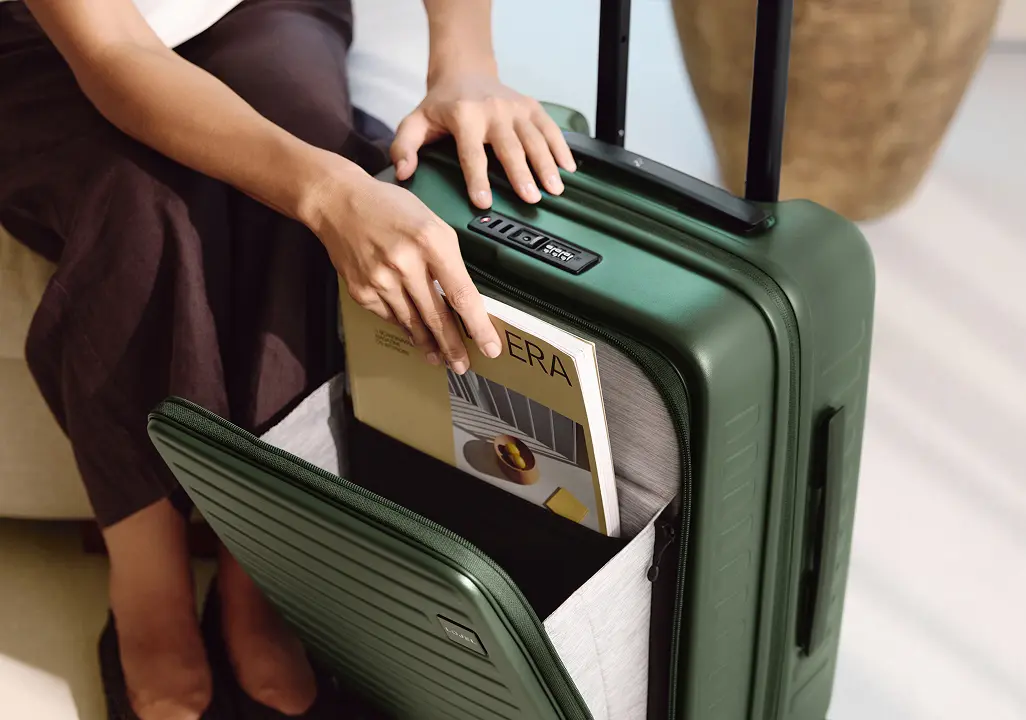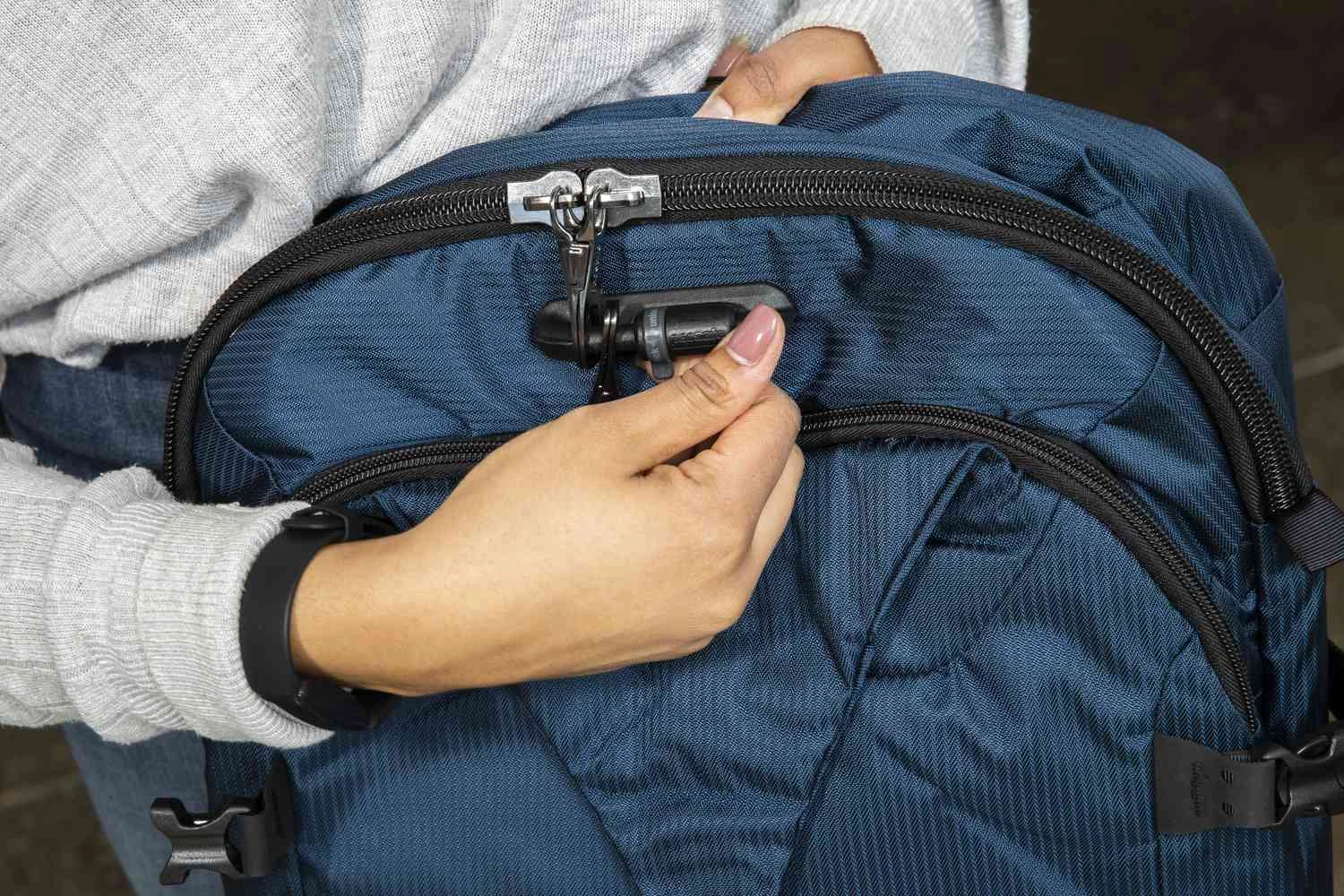
In the era of modern aviation, airport security has evolved significantly. Baggage screening is more rigorous than ever, making the choice of luggage accessories highly consequential. Among these, the TSA-approved lock has transitioned from a niche travel accessory to a standard necessity. Understanding why these locking systems are crucial can help travelers protect their belongings while ensuring a smooth transit through security checkpoints.
What is a TSA-Approved Lock?
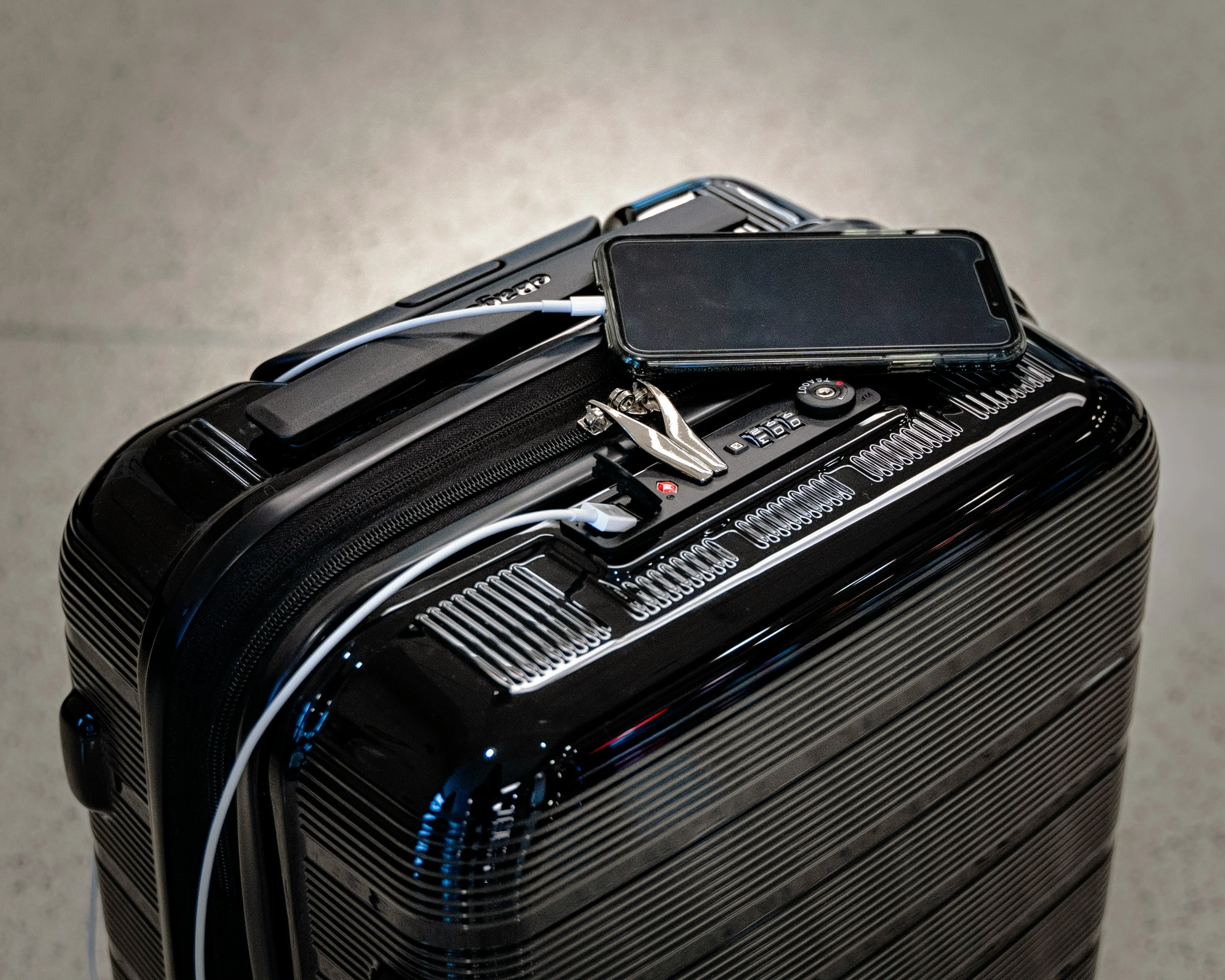
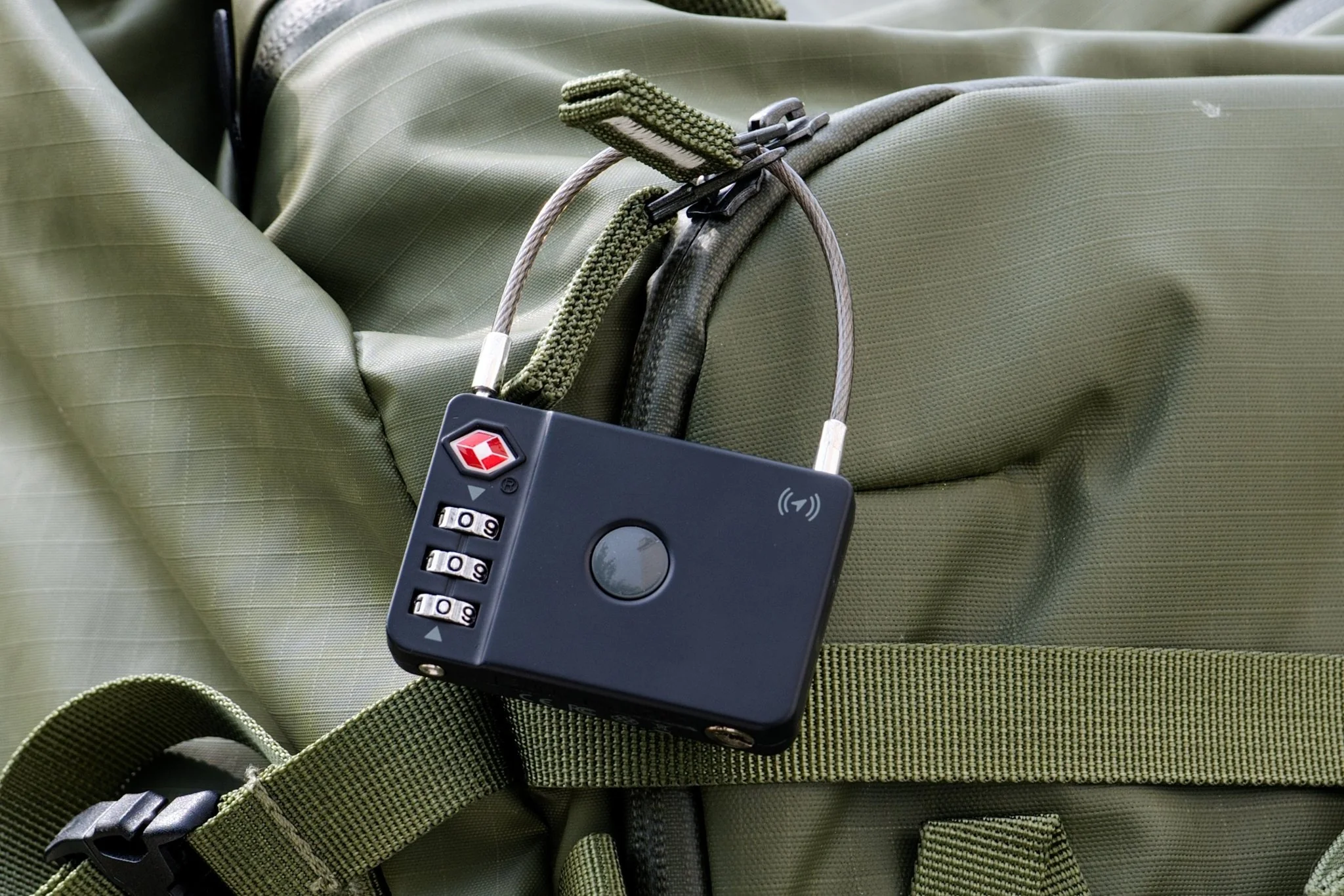
A TSA (Transportation Security Administration) lock is a specialized security device designed for securing luggage. While it functions like a standard lock to deter opportunistic theft, it features a keyhole that allows security officers to open it using a universal master key. These locks are readily identified by the red, diamond-shaped Travel Sentry logo.
Note: TSA-approved locks allow airport security officers to inspect checked baggage without destroying the lock or damaging the luggage zipper mechanism.
The Core Reasons TSA Locks Are Essential
1. Preventing Physical Damage to Luggage
In many regions, including the United States, Canada, and parts of Europe and Asia, security personnel screen checked bags using electronic imaging. If a bag requires a physical inspection and is secured with a non-TSA lock, security agents have the authority to cut, break, or otherwise bypass the lock to access the contents. This often leaves the traveler with destroyed locks and damaged zippers. TSA-approved locks prevent this inconvenience by allowing officers to unlock and relock the bag using their specialized tools.
2. Deterring Opportunistic Theft
While no lock can provide absolute protection against a determined thief, a locked bag is a deterrent against opportunistic tampering. Baggage handlers, transport workers, or other passersby are less likely to target luggage that requires time and effort to bypass. A TSA lock provides a reasonable level of basic security for peace of mind during transit.
3. Facilitating Global Security Compliance
The Travel Sentry system is recognized in dozens of countries worldwide. As international security protocols align, carrying luggage equipped with these locks reduces the likelihood of delays or complications at foreign customs and transfer hubs.
TSA Locks vs. Standard Padlocks: A Comparison
To better understand the practical differences, the table below outlines how TSA-approved locks compare to traditional locking mechanisms during travel:
| Feature | TSA-Approved Lock | Standard Padlock / Zip-Tie |
|---|---|---|
| Physical Security | Deters opportunistic opening | Deters opportunistic opening |
| Security Screening | Opened via master key by authorities | Cut or broken by security if inspected |
| Risk of Luggage Damage | Very low | Moderate to high (zippers can be damaged) |
| International Recognition | Widely accepted in major global hubs | Not recognized by airport security |
| Reusability | Can be locked again after inspection | Rendered useless once cut |
How to Identify a Genuine TSA Lock
When purchasing a lock or built-in luggage lock, look for the following indicators to ensure authenticity:
- The Red Diamond Logo: The official Travel Sentry logo is typically printed or engraved on the lock casing.
- Key Codes: Genuine TSA locks are marked with codes such as “TSA002” or “TSA007.” These codes instruct security personnel on which master key to use.
- Reputable Manufacturers: Purchase from established luggage brands or security accessory manufacturers to ensure the mechanism meets standard specifications.
Limitations to Keep in Mind
It is worth noting that locks are only one part of travel security. A luggage lock is designed to prevent casual intrusion and signals that the bag belongs to a security-conscious traveler. For high-value items, such as expensive electronics or jewelry, carrying them in your hand luggage remains the recommended practice.
Conclusion
Modern travel requires balancing convenience with security compliance. Investing in a TSA-approved lock minimizes the risk of damaged gear during routine security sweeps while maintaining a basic barrier against theft. For those planning international or domestic flights, it represents a practical, standard-compliant addition to any travel toolkit.