Selecting the appropriate luggage lock involves balancing convenience, security, and compliance with transit regulations. With various designs available on the market, understanding the specific features of each type can help you make an informed decision based on your travel habits and security needs.
Types of Luggage Locks
Luggage locks generally fall into several categories based on their locking mechanism. Each has distinct operational advantages depending on how you prefer to secure your gear.
| Lock Type | Pros | Cons | Best Used For |
|---|---|---|---|
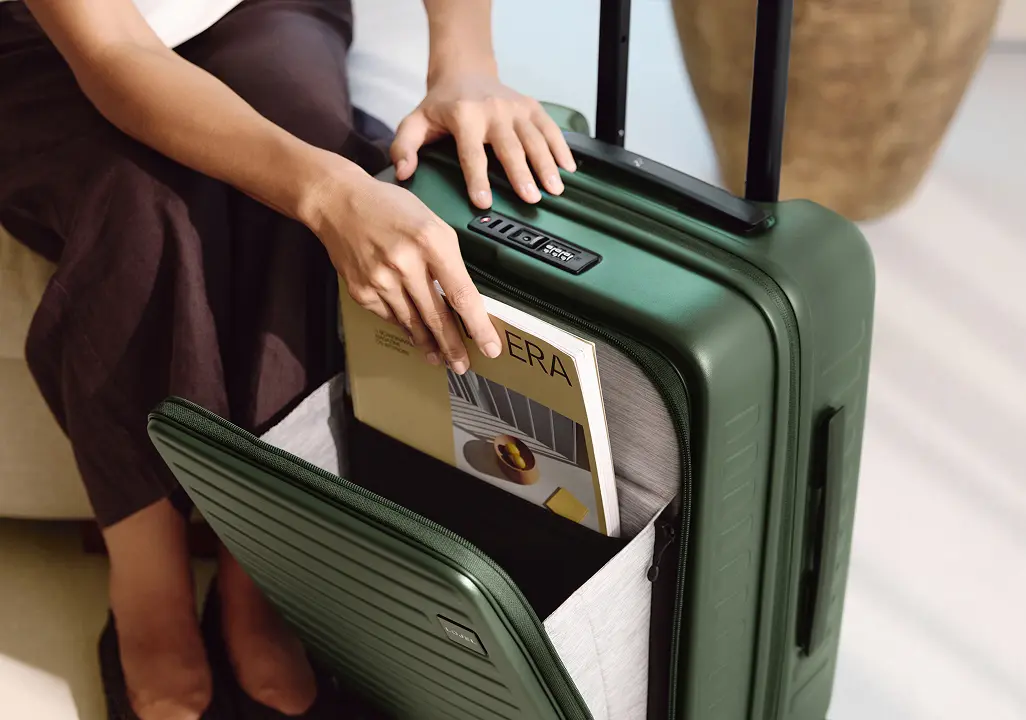
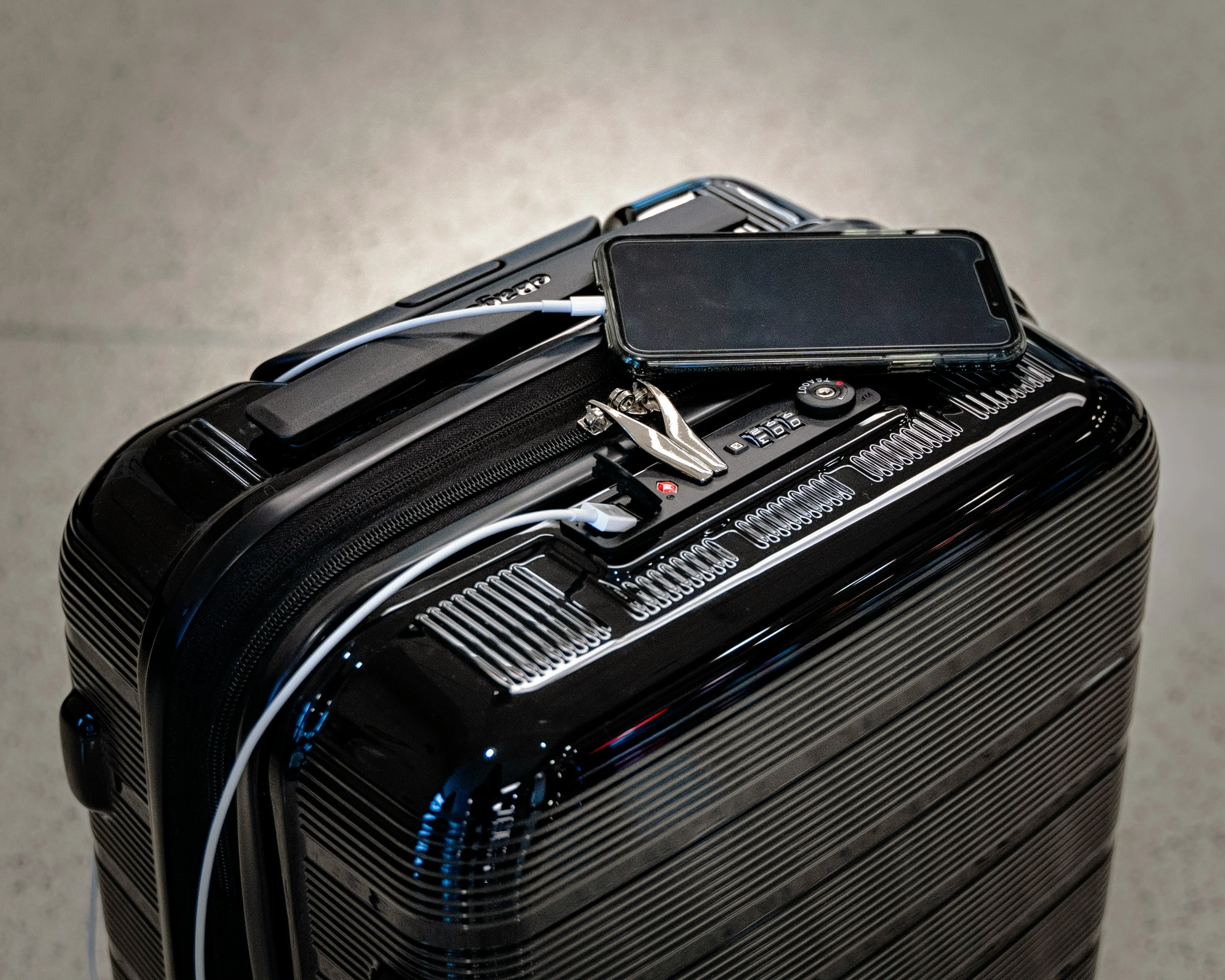
| Combination Locks | No keys to lose; codes can often be reset. | Requires remembering a 3 or 4-digit code. | Standard suitcases and backpacks. |
| Keyed Locks | Simple to operate; no code to memorize. | Losing the key renders the lock unusable. | Travelers who prefer physical keys. |
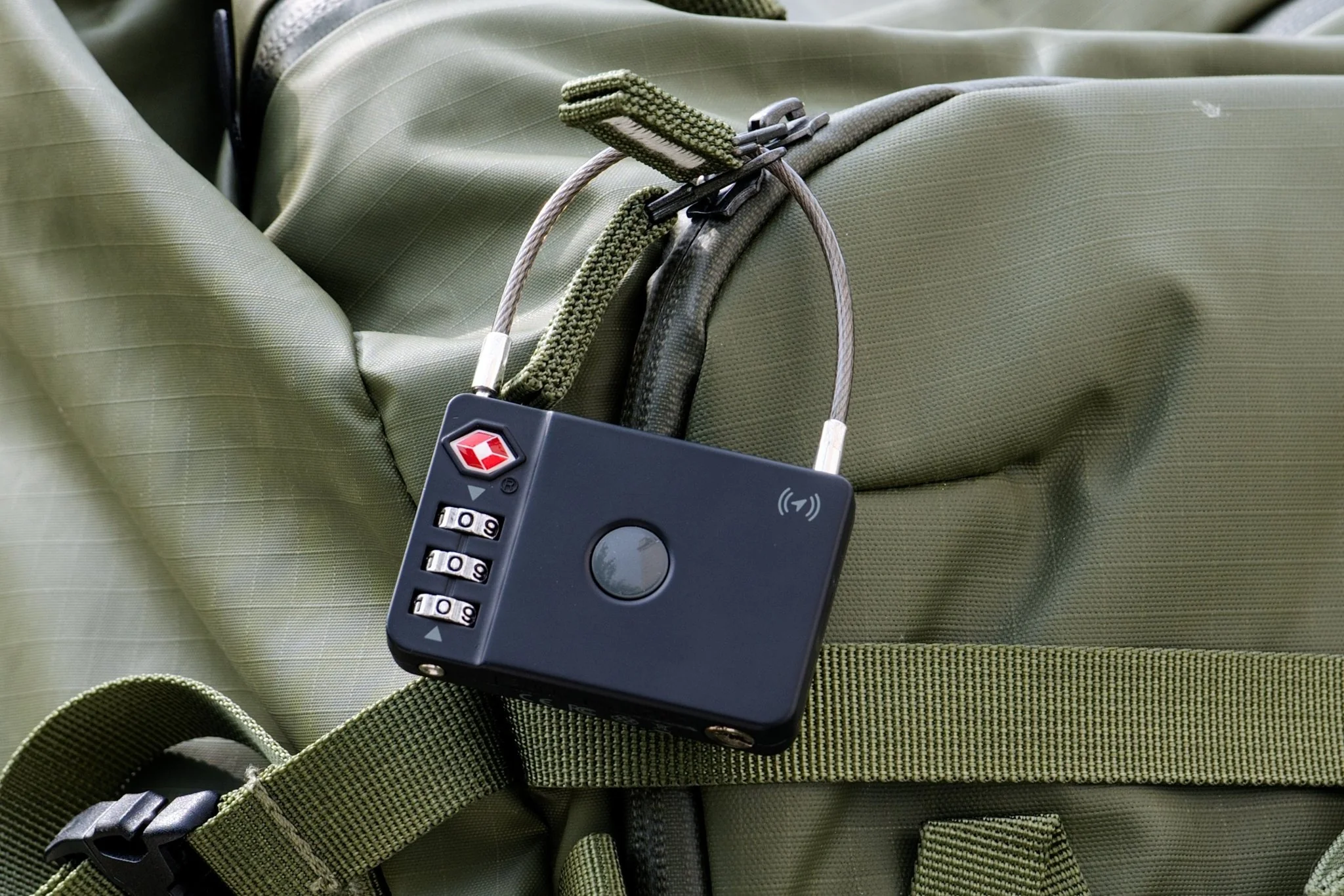
| Cable Locks | Flexible shackle fits unusual zipper shapes. | Cables can be slightly easier to cut than solid steel. | Duffel bags, multi-compartment backpacks. |
| Smart/Biometric Locks | Quick access via fingerprint or app. | Requires battery charging; higher price point. | Tech-conscious travelers with carry-on bags. |
Key Considerations When Buying
To find a lock that aligns with your specific itinerary, consider the following technical and practical factors:
1. TSA Certification
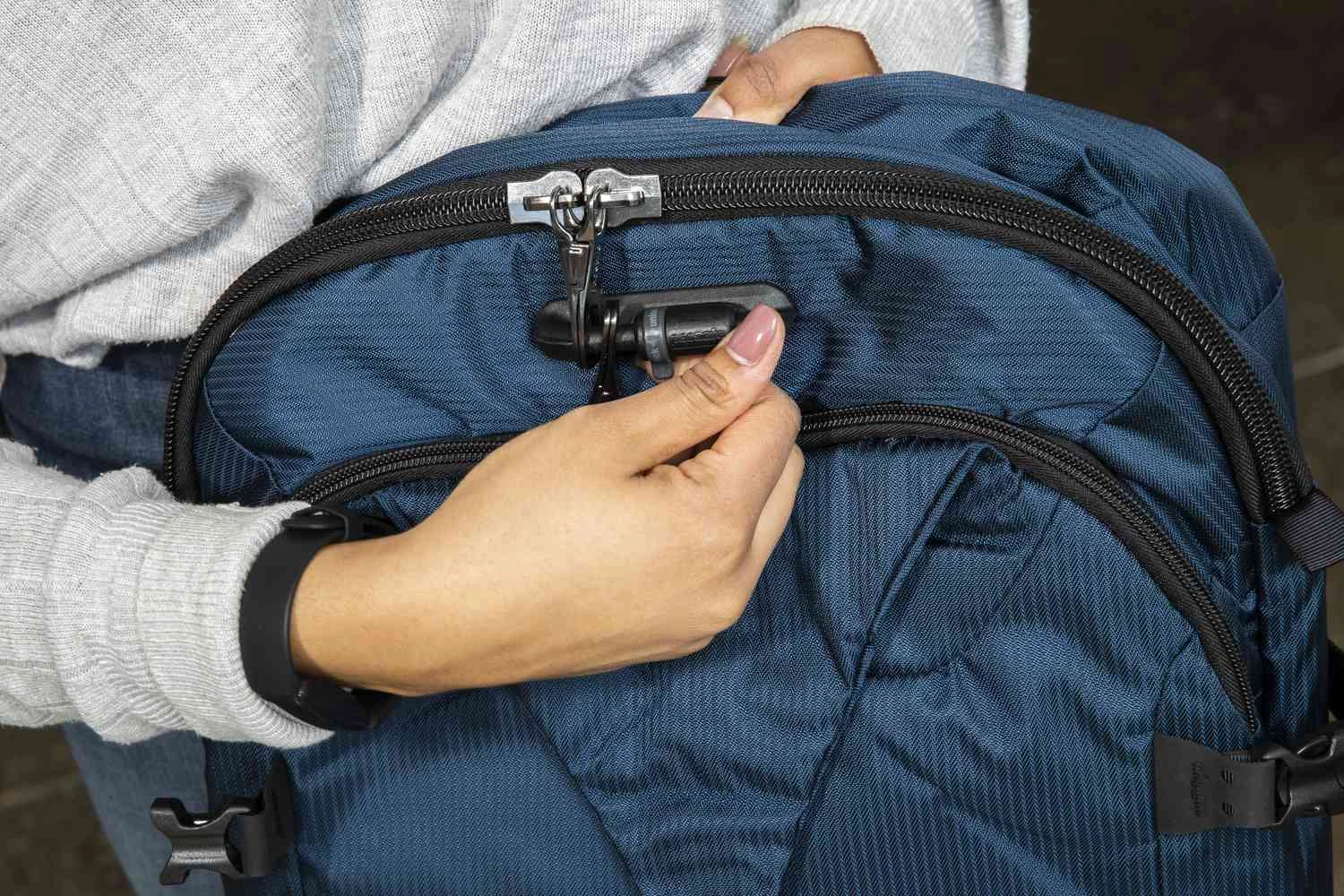
If your itinerary includes transit through the United States or other international hubs utilizing coordinated screening protocols, a TSA-approved lock is highly recommended. Using a non-compliant lock on checked baggage increases the risk of it being cut off by security officers during random inspections.
2. Durability and Materials
Look for locks constructed from robust materials such as zinc alloy, hardened steel, or heavy-duty brass. The thickness of the shackle (the loop that inserts into the lock body) also dictates its resistance to physical tampering.
3. Shackle Style: Rigid vs. Flexible Cable
- Rigid Shackles: Traditional U-shaped metal loops work well for standard, hard-shell suitcases with fixed zipper pulls.
- Flexible Cable Shackles: These utilize a braided steel cable that can thread through multiple zippers, unusually shaped luggage rings, or even several bags at once.
Tip: Flexible cable locks are often the most versatile option for backpackers, as outdoor gear frequently features non-standard zipper designs.
Matching Your Travel Style to the Right Lock
Identifying your primary travel scenarios can simplify the selection process:
- The Frequent Flyer: A sturdy, zinc-alloy 3-digit TSA combination lock is generally the most practical choice for standard checked suitcases.
- The Backpacker / Adventure Traveler: A TSA-approved cable lock offers the flexibility required to secure various compartments on a rugged rucksack.
- The Hosteller: If you plan to use lockers in shared accommodations, consider carrying a slightly larger, non-TSA heavy-duty padlock alongside your TSA luggage locks, as hostel lockers typically require thicker shackles for adequate security.
Conclusion
Ultimately, the right luggage lock is one that integrates smoothly with your gear and travel routine. By prioritizing certified designs for transit and selecting durable materials, you can safeguard your belongings against minor security challenges while maintaining compliance with international airport protocols.